These are the notes we hand to newcomers, retold in our own words: stories people have passed along for a very long time, set down as stories and not as a field guide. Versions differ from one valley to the next, and that is half the pleasure.
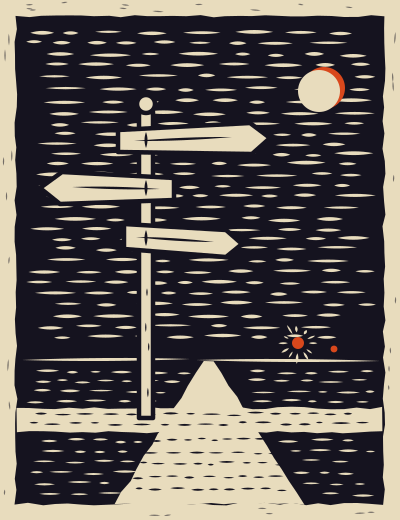
Fig. 3. The arms are blank on purpose. Note the light down the far road; do not follow it.
The small someone behind the stove
filed under: hearth and home
Nearly every old farming country has a household spirit, a small someone who lives behind the stove, under the stairs or in the warm end of the barn. It sweeps at night, minds the animals and finds lost thimbles, on the understanding that it is never thanked out loud and never paid in clothes. A bowl of porridge with butter on top is the usual wage. Skimp the butter or mock its size and the milk turns, the keys go walking, and the cat gets blamed for everything.
Lights over wet ground
filed under: marsh and moor
A will-o'-the-wisp is a small light, low over boggy ground, that keeps exactly the same distance however fast you walk. Some tellings call it a lantern carried by a traveller who can never go home; others, a spark of pure mischief. The old remedies are charmingly practical. Turn your coat inside out, keep to the road you know, and do not follow anything that seems to want you to.
seen on the April walk: one. it was a bicycle lamp.
Crossroads
filed under: roads and edges
Where two roads meet, nobody quite owns the ground, and stories love a place like that. Crossroads are where bargains are struck, where fortunes are asked for at midnight, and where things you would rather be rid of are left behind. In a great many versions you go there with a question. The catch is nearly always the same: on the way home you must not look back, whatever you hear walking behind you.
The woman who grieves early
filed under: omens
In Irish and Scottish tradition certain old families are followed by a wailing woman, the banshee, who keens before a death in the house. She is heard far more often than seen; when she is seen, she is combing her hair or washing linen at a ford. What strikes us is how harmless she is in the older versions. She hurts no one. She simply knows first and mourns first, which sounds like a lonelier job than haunting.
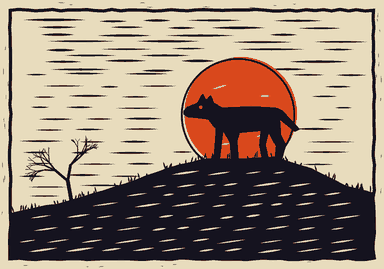
Fig. 4. The dog on the ridge. It is not looking at you. Probably.
The dog on the lane
filed under: lanes after dark
A black dog the size of a calf, with eyes like lamps, padding beside you on a lonely road. Depending on the county it is the worst of omens or a guardian that sees late walkers safely to their own gate and then is simply not there. The stories agree on two points. It makes no sound at all, and you should on no account try to pat it.
What we do with all this
On folklore nights one member brings a single motif and three versions of it, and we argue about which is oldest, which is best, and which was plainly invented by an innkeeper to sell more supper. The best new tales built on the old bones end up among the three short tales. If you leave porridge out afterwards, that is between you and your skirting board.